Books

Uncategorized

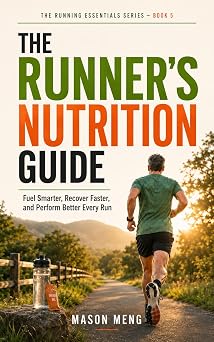
The Runner’s Nutrition Guide:

Running nutrition matters less than the internet claims—and more than most runners realize.Between sports-nutrition influencers, supplement marketing, restrictive diets, and endless carb-loading advice, fueling your running can feel unnecessarily complicated.The Runner’s Nutrition Guide cuts through the noise with a practical, evidence-informed approach to eating for better energy, recovery, and consistent training. It is not a rigid meal plan or another diet book. Instead, it helps you understand what your body actually needs—without obsessive tracking, food anxiety, or guilt.Inside, you will learn:How to assess your current fueling habitsWhat runners really need from carbohydrates, protein, and fatHow to fuel before, during, and after every type of runPractical hydration strategies based on distance, weather, and sweat rateA flexible daily eating framework for busy schedulesHow to adjust your nutrition during base training, peak weeks, tapering, and recoveryWhich supplements may help—and which are mostly marketingHow to manage GI issues, travel, low appetite, dietary preferences, and injury recoveryHow to fuel for hot-weather running and vegetarian trainingWhether you are preparing for your first 5K, increasing your weekly mileage, or simply trying to feel better on every run, this guide will help you fuel with greater confidence and less confusion.The Runner’s Nutrition Guide is Book 5 in The Running Essentials Series—practical, concise, evidence-informed guides for runners who want to perform better without overcomplicating the process.
Running After 40+

Running for Longevity: How to Run Smarter, Stay Stronger, and Add Healthy Years to Your Life (The Age-Smart Running Series Book 6)

Is running helping you live longer—or slowly wearing your body down?One week, you hear that running can add years to your life. The next, someone warns you about damaged knees, overtraining, or the risks of doing too much.You may feel stronger and clearer after running—but recovery takes longer than it used to. So the question remains:Are you building lifelong health, or accumulating damage?Decades of research suggest that running is one of the most powerful tools available for supporting long-term health and longevity. But the benefits depend on how you train, how well you recover, and whether your running is supported by strength, mobility, sleep, and nutrition.Running for Longevity provides an evidence-informed framework for runners who want to remain active, capable, and healthy for decades to come.This is not a race-training manual or a general wellness book with a few running tips. It is a practical guide to building a sustainable running life—one that supports your heart, muscles, joints, metabolism, balance, and overall resilience as you age.Inside this book, you will learn:What major longevity studies reveal about running and life expectancyHow your cardiovascular, musculoskeletal, and metabolic systems change with ageWhy moderate running volumes may provide most of the longevity benefitsHow to assess your current fitness, recovery capacity, and injury riskHow to structure intensity, weekly volume, and running frequency for long-term healthHow to combine running with strength training—without needing a gymWhich mobility and balance exercises become increasingly important with ageHow to recognize early warning signs before they develop into injuriesHow sleep, nutrition, and recovery turn training into lasting adaptationHow to adjust your running through career changes, family demands, health events, and other life transitionsHow to follow a complete multi-week plan integrating running, strength, mobility, and recoveryThis is a book about playing the long game.You do not need to run faster, farther, or harder every year. You need a system that helps you keep running—strong, confident, and healthy—for as long as possible.When practiced intelligently, running may be one of the best investments you can make in your future health.Running for Longevity shows you how to make every mile count.

Uncategorized

Running Without Injury After 50: A Practical Guide to Injury Prevention for Runners Over 50 (The Age-Smart Running Series Book 5)

Keep running without the constant anxiety of injury.If you are over 50 and love to run—or want to start—you have probably noticed that your body does not recover the way it used to.Aches that once disappeared overnight now linger. The line between a good run and an injury feels thinner than it once did. Maybe you have had a close call. Maybe you have already stopped running because it no longer felt worth the risk.Running Without Injury After 50 is not a training plan for setting personal records. It is a complete injury-prevention system designed for a body that has changed—and that will continue to change.In this book, you will learn:What actually changes in your muscles, tendons, and joints after 50—and what those changes mean for the way you runHow to assess your personal injury risk honestly, without fear or self-criticismThe five injury patterns that affect older runners most often—and how to recognize them earlyWhy most of your running should feel easy, and how to structure volume and intensity for long-term consistencyA practical strength program targeting the muscles that help prevent injuries—without requiring a gym membershipMobility exercises that address the specific restrictions that can lead to compensation and painHow recovery, footwear, nutrition, sleep, and stress all influence your injury riskA complete 12-week plan with starting levels for beginners, returning runners, and experienced runnersHow to return to running safely after an injury or a long breakPractical templates, worksheets, and quick-reference guidesThis book bridges the gap between “I want to keep running” and “I know how to keep running.”No gimmicks. No unrealistic promises. Just clear, practical guidance—and an honest understanding of what your body needs to keep running for years to come.

Uncategorized

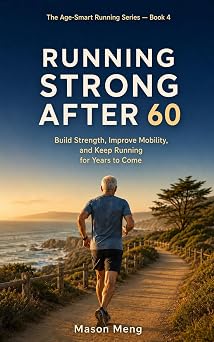
Running Strong After 60: Build Strength, Improve Mobility, and Keep Running for Years to Come (The Age-Smart Running Series Book 4)

You can be stronger at 60 than you were at 50.If you are a runner over 60, you may have noticed slower recovery, stiffer joints, or that your old training methods no longer work as well. But getting older does not mean giving up running or accepting inevitable decline.Running Strong After 60 is a practical, evidence-informed guide designed to help older runners build strength, improve mobility, reduce injury risk, and continue running confidently into their 60s, 70s, and beyond.Inside this book, you will discover:What actually changes after 60—and which abilities you can still maintain and improveA practical self-assessment covering mobility, strength, balance, and running readinessSix foundational strength exercises with clear, progressive variationsA simple 10-minute daily mobility routine for the areas older runners need mostAn integrated 8-week training plan combining running, strength, mobility, and recoveryBasic and advanced training tracks for different experience and fitness levelsInjury-prevention strategies, early warning signs, the 48-hour rule, and weekly self-checksSleep, recovery, and nutrition fundamentals adapted for older athletesLong-term strategies for continuing to run well into your 70s and 80sThis is not a book about slowing down. It is about training differently—so you can remain strong, capable, and active for years to come.Whether you want to maintain your current fitness, return to running after time away, or rebuild confidence in your body, this book gives you a realistic framework for moving forward safely.Your age may change how you train. It does not have to decide when you stop.Written for recreational runners aged 60 and older. This book provides general educational information and does not replace individualized medical advice, diagnosis, or treatment.

Uncategorized

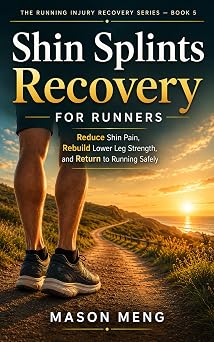
Shin Splints Recovery for Runners

Your shin pain keeps coming back. You rest for two weeks, the ache subsides, you lace up again — and within a few runs, the familiar tightness and tenderness return. You have tried new shoes, stretched your calves, iced after every session. Nothing has stuck. You are starting to wonder if running without shin pain is even possible.It is — but not through rest alone.*Shin Splints Recovery for Runners* is a structured recovery guide built on the load-versus-capacity framework. Medial tibial stress syndrome (MTSS) develops when the demands you place on your lower legs exceed what your tissues can currently handle. The solution is not indefinite rest or pushing through discomfort. It is a progressive plan that calms symptoms, rebuilds lower-leg strength, and returns you to running with enough capacity to sustain it.Inside this book, you will find:- A clear, jargon-free explanation of what shin splints actually are — and what the term does and does not mean- A recognition framework for distinguishing MTSS from stress fractures, compartment syndrome, and other conditions that need professional evaluation- A practical symptom-monitoring system so you stop guessing whether to modify, rest, or seek help- A progressive, multi-phase strength and mobility program targeting the foot, calf, anterior tibialis, and hip chain- A week-by-week return-to-running plan with walk-jog progressions, volume guidelines, and a regression protocol if symptoms reappearWritten for recreational runners aged 35–65 — beginners who developed shin pain shortly after starting, returning runners rebuilding after a break, and experienced runners facing pain after a training change — this book provides education and self-management guidance. It does not replace professional medical assessment, and it clearly marks when professional evaluation is the right next step.Stop restarting the same cycle. Build a lower leg that can handle the running you want to do.

Uncategorized

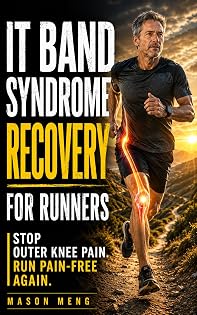
IT Band Syndrome Recovery for Runners

Outer knee pain can quietly destroy a runner’s confidence long before it completely stops their training.One day it feels like a small irritation on the outside of the knee. A few runs later, every downhill section hurts, longer runs become impossible, and even walking downstairs starts to feel uncomfortable.If you’re dealing with IT Band Syndrome (ITBS), you are not alone. It is one of the most common overuse injuries in runners — especially runners increasing mileage, returning after injury, training for races, or struggling with weak hips and poor running mechanics.But here’s the good news:Most runners do not need endless rest, complicated treatments, or scary medical procedures to recover.They need the right recovery strategy.IT Band Syndrome Recovery for Runners is a practical, runner-focused guide designed to help you reduce outer knee pain, correct the hidden causes of IT band irritation, and safely return to running without constantly triggering flare-ups.Inside this book, you’ll discover:What IT Band Syndrome actually is — and why it keeps coming backThe real causes of outer knee pain in runnersCommon training mistakes that overload the IT bandHow weak glutes, hip instability, and poor mechanics affect your strideSimple mobility and strength exercises for recoveryFoam rolling and stretching strategies that actually helpRunning form adjustments that reduce knee stressHow to return to running safely without restarting the injury cycleSmart training load management for long-term preventionRecovery strategies for runners over 40 and high-mileage runnersHow to build stronger hips, better stability, and more durable running mechanicsThis book is written in a clear, practical style made specifically for everyday runners — not medical professionals.Whether you are training for your next race, trying to run pain-free again, or simply tired of recurring outer knee pain ruining your progress, this guide will help you recover smarter and keep moving forward.Because the goal is not just to stop pain.The goal is to run strong again.

Uncategorized

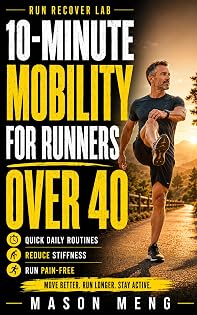
10-Minute Mobility for Runners Over 40

Does your first mile feel like your body is waking up from hibernation?If you’re a runner over 40, you know the feeling. Tight hips. A stiff lower back. Ankles that creak before they bend. You tell yourself it’s just age — but it doesn’t have to be.This book gives you a simple, science-backed system to move better, feel looser, and keep running pain-free, using just 10 minutes a day.Inside, you’ll discover:Why your mobility changes after 40 — and why stretching alone isn’t the fixA simple 5-minute self-assessment to find exactly where your body is limiting youA 10-minute morning routine to break the cycle of stiffness before it startsTargeted hip mobility work — the #1 priority for runners over 40Ankle and thoracic spine drills that resolve “mystery” knee and back painA 5-minute pre-run activation routine to wake up the right muscles before every runGentle recovery-day mobility that actually speeds up healingA realistic system for making mobility a lifelong habit — without relying on willpowerNo gym membership. No complicated equipment. No hour-long routines you’ll never stick to.Just 10 minutes a day, designed specifically for the runner who refuses to slow down.Whether you’re managing nagging stiffness, recovering from old injuries, or simply want to keep running strong for years to come, this book gives you a clear, sustainable path forward — one day, one routine, at a time.

Uncategorized

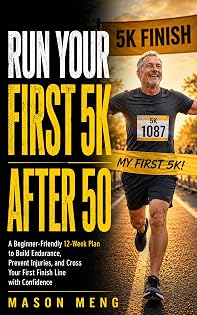
Run Your First 5K After 50

You’re Not Too Old. You’re Just Getting Started.Most running books are written for twenty-somethings. They assume you can jog three miles on day one, bounce back overnight, and push through pain without consequences. This book was written for the body you actually have — the one that’s been doing its job for fifty-plus years and deserves a smarter plan.Run Your First 5K After 50 is a complete, 12-week beginner program built around the physiology of older runners. Walk-to-run intervals that protect your joints. Strength work that prevents the injuries most beginners never see coming. Recovery guidance designed for bodies that need 48 hours, not 24. And a race-day strategy so detailed that nothing on the morning of your first 5K will surprise you.Inside This Book:The truth about running after 50 — why your knees are safer than you think, how your cardiovascular system adapts faster than expected, and what actually changes (and what doesn’t) in your body after fiftyA 12-week walk-to-run plan — three sessions per week, 30–45 minutes each, building from your first 30-second run interval to crossing the 5K finish lineInjury prevention built in — weekly strength circuits targeting the glutes, core, and hips that protect older runners; plus mobility work and recovery protocols designed for 50+ bodiesThe seven beginner mistakes that sideline runners over fifty — and exactly how to avoid all of themGear guidance that saves money — what to actually buy, what to skip, and how to get properly fitted for shoes that protect your jointsRace day, start to finish — what to eat, where to line up, how to pace your first mile, and what crossing the finish line actually feels likeThis Program Is For You If:You’re between 50 and 70 and have never run a 5K — or tried and stoppedYou have joint concerns, extra weight, or a sedentary history that makes “just start running” feel impossibleYou want a plan designed for your body’s actual recovery needs, not a twenty-year-old’sYou’re ready to cross a finish line and prove something to yourselfBook 4 in The Age-Smart Runner’s Series — the complete running series for adults who started later, train smarter, and run longer.

Uncategorized

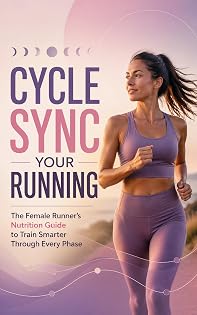
Cycle Sync Running for Women

Your body changes throughout the month — your training should too.Many female runners struggle with fatigue, inconsistent performance, recovery issues, and frustration because they train against their body instead of with it.This guide helps female runners better understand how the menstrual cycle affects energy, recovery, endurance, and performance.Inside, you’ll learn:✔ How hormones impact training and recovery ✔ When to push harder — and when to recover ✔ How to reduce fatigue and burnout ✔ Smarter ways to plan running and nutrition ✔ How to work with your body instead of fighting it Train smarter, recover better, and run stronger.

Uncategorized

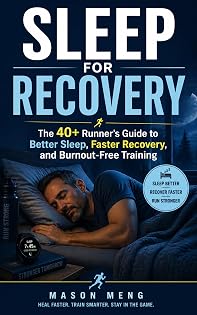
Sleep to Run: The 40+ Runner’s Complete Recovery Guide

Training hard means nothing if your body never fully recovers.Poor sleep affects recovery, energy, injury risk, and long-term performance more than most runners realize.This practical guide shows runners how to recover smarter by improving sleep quality, reducing fatigue, and supporting the body’s natural recovery process.Inside, you’ll discover:✔ How sleep impacts athletic recovery and performance ✔ Why many runners stay tired and under-recovered ✔ Practical strategies to improve recovery quality ✔ How better sleep helps reduce injury risk ✔ Simple habits that improve energy and consistency Recover harder by recovering smarter.

Scroll to Top